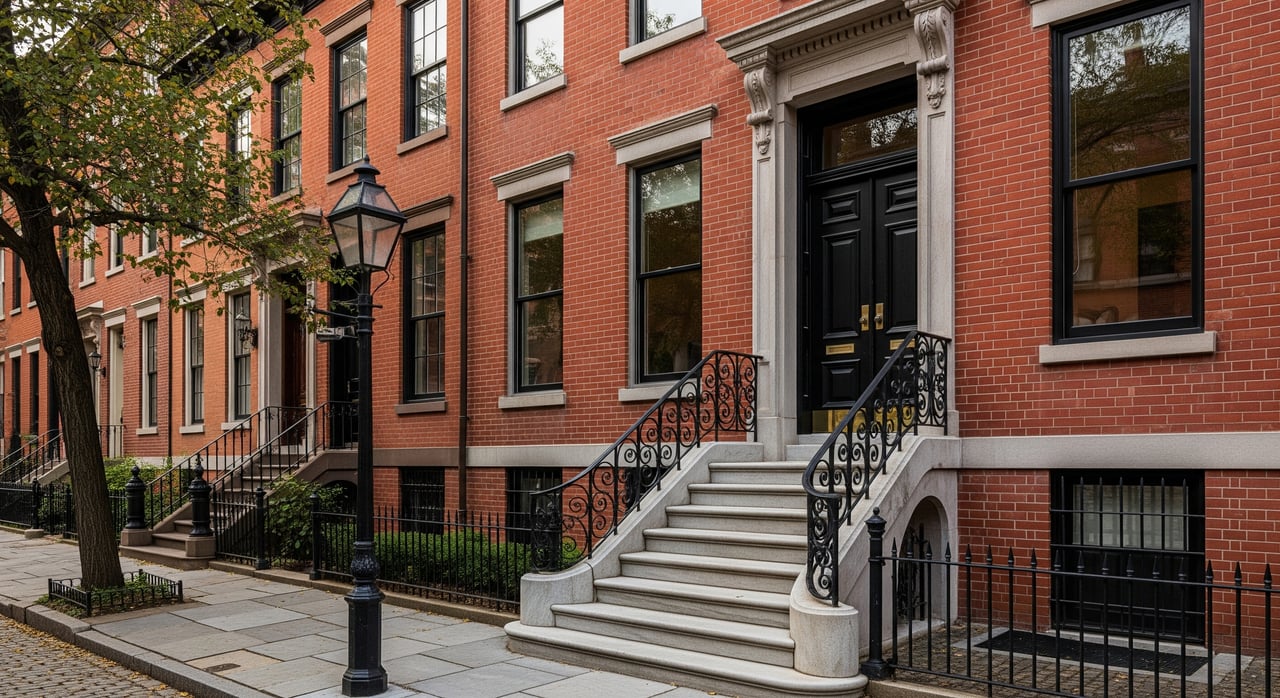
Thinking about selling a historic Baltimore rowhouse or a restored brownstone and not sure where to set the price? You’re not alone. Historic status, renovation quality, and micro-neighborhood dynamics can shift your home’s value more than you might expect. The good news is you can price with confidence once you understand how buyers, lenders, and appraisers look at these homes.
In this guide, you’ll learn how local preservation rules affect pricing, what value drivers matter most, and practical methods to set a number that fits your goals. You’ll also get a clear checklist and tips to balance selling fast versus maximizing your proceeds. Let’s dive in.
What makes a Baltimore home “historic”
Historic status in Baltimore can mean a few different things, each with its own impact on pricing and renovations. The most common are local historic districts, National Register listings, and recorded preservation easements.
- Local historic district: In Baltimore City, the Commission for Historical & Architectural Preservation (CHAP) reviews exterior work visible from public rights-of-way. Significant exterior changes often need a Certificate of Approval. This review is separate from building permits.
- National Register of Historic Places: This is an honorary federal listing by itself. It does not restrict a private owner’s actions unless federal funding, licensing, or historic tax credits are involved.
- Preservation easements and covenants: A recorded easement can limit changes to a property. Easements must be disclosed and can influence buyer interest and pricing.
If your home is in a local district or has an easement, build those review and timing details into your pricing and marketing plan.
How designation affects price
Historic designation can shape your buyer pool and pricing power. The effect is property-specific and neighborhood-specific.
- Buyer pool: Oversight attracts buyers who value authenticity. It can deter buyers who want maximum flexibility to alter exterior features.
- Perceived value: Well-executed, historically accurate restorations often command a premium in desirable historic neighborhoods. Unauthorized alterations or visible deferred maintenance can push prices down.
- Transaction friction: Required approvals for exterior work may lengthen renovation timelines. Buyers and appraisers consider these timelines and any needed approvals during negotiations.
The bottom line is that a documented, thoughtful restoration is usually an asset. Unpermitted exterior changes or unfinished approval steps can be a pricing drag.
The big value drivers to watch
Several factors have an outsized impact on what your Baltimore historic home will sell for.
Condition and deferred maintenance
Condition is the primary driver. Major issues like foundation problems, roof failures, outdated or unsafe mechanicals, structural rot, or water intrusion can materially reduce the market price. Cosmetic items like paint and finishes matter, but structural and systems issues carry more weight.
Renovation quality and documentation
High-quality, code-compliant work that respects historic fabric typically raises value more than quick cosmetic updates. Documentation helps. Keep permits, final inspections, contractor warranties, material receipts, and before-and-after photos. These support your price and help appraisers.
Tax credits and incentives
The federal Historic Rehabilitation Tax Credit applies to certified rehab of income-producing properties, not most owner-occupied single-family homes. Maryland and Baltimore City have offered various state and local programs over time. While incentives can improve project feasibility, their direct effect on your sale price depends on whether your buyer is an investor or owner-occupant. For income-producing properties, documented eligibility can increase demand.
Comparable sales anchor value
The best pricing anchor is recent, nearby comparable sales with a similar level of finish. For Baltimore rowhouses, stay close on location, size, bed and bath count, and quality of restoration. The most useful comps are often from the same block or immediate neighborhood and closed in the last 30 to 90 days when available.
Micro-market dynamics
Baltimore is block-by-block. Demand varies across neighborhoods like Federal Hill, Fells Point, Mount Vernon, Canton, Bolton Hill, and Charles Village. Proximity to transit, the waterfront, commercial corridors, schools, and new development can influence pricing. Use the closest, most similar sales to your home’s immediate setting.
Financing and appraisal realities
Lenders and appraisers prioritize comps and condition. They do not accept inflated after-repair values without credible support. If your home needs work, buyers might use renovation-friendly loans such as FHA 203(k), Fannie Mae HomeStyle, or Freddie Mac CHOICERenovation. These can lengthen closing timelines and should be factored into your pricing strategy.
Baltimore comps and what to adjust
When reviewing comps, start with the closest match and adjust:
- Adjust down for major condition issues, unpermitted alterations, smaller lot size, or missing features.
- Adjust up for superior location within the neighborhood, permitted additions, legal parking, finished lower levels, and high-quality restoration.
- For rowhouses, prioritize room counts and layout usability over just price per square foot.
A thin comp set can make aggressive pricing riskier. When comps are limited, thorough documentation and a clean inspection profile become even more important.
Practical ways to set your price
You have three common pricing paths. The best choice depends on your timeline, budget for prep, and confidence in your documentation.
- As-is pricing: Choose this when you need speed or do not plan to complete repairs. Price by estimating what typical buyers and investors will deduct for repairs, approvals, and carrying costs.
- List for after-repair value: Use this only if the home is fully renovated to the level buyers expect and you can back it up with permits and inspections. Without that, appraisals often fall short.
- Hybrid approach: Land between as-is and fully renovated when you have addressed big-ticket items like roof, HVAC, electrical, or plumbing, but left some cosmetics. This can attract end users while avoiding a full rehab budget.
Simple cost-to-cure math
Buyers and investors commonly use a cost-to-cure method to set offers. You can use the same approach to gauge a realistic as-is price.
- Start with an ARV, the price of a truly comparable renovated sale.
- Subtract estimated renovation costs, including approvals and any CHAP-related expenses.
- Subtract holding costs for the rehab period, plus typical seller closing costs.
- Include a contingency to reflect unknowns and buyer profit expectations.
As-Is Value ≈ ARV − (Renovation Costs + Holding Costs + Closing Costs + Contingency)
This is a practical way to predict how investors will underwrite your property and helps you decide whether to sell as-is or invest in targeted repairs first.
Upgrades that change the math
Some fixes move the needle more than others. If your goal is a higher sale price to end users, prioritize work that reduces lender and inspection risk.
- Structural, water, and safety issues: Highest ROI for marketability. Address foundation stabilization, roof leaks, and active water intrusion.
- Mechanical systems: Up-to-date HVAC, electrical, and plumbing reassure buyers and appraisers.
- Exterior and windows: In CHAP districts, historically appropriate exterior repairs can be an asset. Quality matters. Replacement windows can be neutral or negative depending on appropriateness and craftsmanship.
- Unpermitted work: Expect discounts if work lacks permits or approvals. Resolve or disclose clearly with realistic pricing.
- Preserved features: Intact staircases, moldings, mantels, and original floors can support a premium when combined with modern functionality.
Appraisals, lenders, and documentation
Help the appraisal reflect your home’s true value by preparing a simple appraiser kit.
- Recent comps: Provide the most similar, nearby sales and explain key similarities.
- Permits and approvals: Include permit numbers, final inspections, and any CHAP approvals for exterior work.
- Contractor documents: Share invoices, warranties, and material details for major systems and historically appropriate repairs.
- Photos: Before-and-after images show scope and quality clearly.
Expect lenders to require repairs if issues affect habitability or safety. Addressing those upfront can save you from price concessions later.
Strategy: speed vs. max proceeds
Every seller balances time and price. There is no single right answer, only the best fit for your situation.
- Choose speed when you need certainty and quick closing. Price as-is and market to buyers who can close fast, including investors.
- Choose maximum proceeds when you can invest in targeted improvements and wait for the right buyer. Quality restoration plus strong documentation tends to earn higher offers from end users.
- Consider market conditions. In a strong seller’s market, you may achieve a great price with minimal upgrades. In a cooler market, selective improvements and immaculate documentation matter more.
A seller’s Baltimore checklist
Use this to get pricing-ready and reduce surprises.
- Confirm status: Check CHAP district designation, any preservation easements, and active permits or violations.
- Get estimates: Obtain at least one contractor estimate for cost-to-cure items like roof, foundation, HVAC, and electrical.
- Gather proof: Compile permits, final inspections, warranties, and before-and-after photos.
- Pull comps: Identify three to five recent sales in the same block or nearby with similar finish and features.
- Pick your path: Decide on as-is, hybrid, or fully renovated pricing based on goals and budget.
- Build an appraiser kit: Include comps, permits, estimates, CHAP approvals, and photos.
- Plan the timeline: If in a CHAP district, factor review and approval timing into your strategy.
When to renovate vs. sell as-is
Renovate before listing when safety, water, or major system issues would prevent financing or cause big inspection credits. Focus on improvements that broaden your buyer pool and reduce lender objections.
Sell as-is when timelines are tight, carrying costs are high, or the scope of work is too large for your budget. Use the cost-to-cure framework to set an attractive price and be clear in your disclosures.
Partner with a team that knows Baltimore
Historic rowhouses are unique. Pricing one well means knowing CHAP processes, understanding how investors and end users underwrite, and finding the closest comps on the right blocks. With a data-driven plan, strong documentation, and strategic pricing, you can sell with confidence and keep surprises to a minimum.
If you want local guidance, transparent pricing support, and premium listing marketing, let’s talk. Connect with Homestead Finders for an instant valuation or to schedule a free consultation.
FAQs
How do Baltimore CHAP rules impact selling a historic home?
- CHAP reviews exterior work visible from public rights-of-way, which can affect renovation timelines, approvals, and buyer expectations. Disclose approvals and pending applications to avoid delays.
Does National Register listing change what I can do to my house?
- National Register listing is honorary for private owners unless federal funds, licensing, or federal historic tax credits are involved. Local rules and easements govern most restrictions.
Can I use federal historic tax credits on my owner-occupied rowhouse?
- The major federal program targets income-producing properties, not most owner-occupied single-family homes. State and local incentives vary by program and eligibility.
What is the best way to price a historic home that needs work?
- Use a cost-to-cure approach: start with the after-repair value from a close comp, then subtract renovation, holding, closing, and contingency costs to estimate a realistic as-is price.
Which upgrades are most likely to boost my sale price?
- Repairs that address safety, water intrusion, roof integrity, and major systems typically have the highest impact. Properly permitted work and preserved historic features support stronger pricing.
How do appraisals handle unique historic features?
- Appraisers rely on comparable sales. Provide documentation and comps with similar retained features and finishes so those details are reflected in the valuation.