Torn between low-maintenance condo living and the classic charm of a Baltimore rowhome? You’re not alone. Both options offer real advantages, and the right choice depends on how you want to live, what you want to maintain, and how you want to budget. In this guide, you’ll learn how condos and rowhomes differ on ownership rules, monthly costs, maintenance, parking, historic approvals, and resale so you can move forward with confidence. Let’s dive in.
Baltimore condo vs rowhome at a glance
- Condos reduce exterior upkeep but add monthly association dues and building rules. You share common elements and governance with other owners.
- Rowhomes provide more private space and control, but you handle all exterior upkeep, systems, and any historic approvals if applicable.
- Your decision comes down to budget predictability, appetite for maintenance, desired space and outdoor areas, parking needs, and comfort with association governance.
Ownership and governance
Condos: how they’re structured
In Maryland, condos are governed by the Maryland Condominium Act. You own your individual unit and a shared interest in the common elements, while a council or board manages the building’s common areas and rules. Before you buy, review the declaration, bylaws, budget, insurance, and resale disclosures carefully. You can find the legal framework in the Maryland Condominium Act under Real Property, Title 11. (Maryland Condominium Act, Title 11)
Rowhomes: fee simple and some HOAs
Most Baltimore rowhomes are fee simple, which means you own the structure and land and are responsible for maintenance and code compliance. Some attached communities use homeowners associations, which operate under Maryland’s Homeowners Association Act (Title 11B). Always review any HOA’s recorded documents, budgets, and rules before you commit. (Maryland Homeowners Association Act, Title 11B)
Monthly costs: dues, taxes, insurance
Association dues
Condo and HOA dues vary widely by building and amenities. Larger or older buildings, on-site staff, elevators, and utility inclusions can all increase dues. To judge whether dues are reasonable, review the association’s current budget, reserve study, insurance, meeting minutes, and any special assessment history. Maryland strengthened reserve study and funding requirements for community associations, so ask for the most recent study and reserve balances when you review the resale package. (Reserve study and funding requirements) (What to expect in a condo resale package)
Property taxes in Baltimore City
Baltimore City’s real property tax rate matters in your monthly budget. As of the city’s FY2026 budget documents, the published rate is about $2.248 per $100 of assessed value. Use the City’s latest finance documents when modeling carrying costs and revisit the rate before you write an offer. (Baltimore City finance documents, FY2026)
Insurance differences
- Condos: You’ll typically carry an HO-6 policy for interiors, personal property, and liability, while the association’s master policy covers the building’s exterior and common elements. Ask for the master insurance certificate and deductibles, and confirm whether the master policy is bare-walls or all-in.
- Rowhomes: You’ll carry a homeowners policy (often HO-3) covering the structure and contents. Older homes may require updates for insurance purposes.
Learn more about insurance scopes in common ownership communities. (Condo ownership FAQs)
Special assessments
Even well-run buildings sometimes need special assessments for major projects like roofs, masonry, or elevators. Maryland’s reserve study and funding rules are designed to reduce surprises, but they don’t eliminate the possibility. Review meeting minutes, capital plans, and reserve balances to understand risk. (Reserve study and funding requirements)
Maintenance and repairs
Condos: fewer exterior chores
Associations typically maintain the exterior and shared systems such as roofs, hallways, elevators, and common mechanicals. You focus on your unit’s interior and finishes. When you buy, the seller should provide a resale package that includes financials, insurance, rules, and disclosures. Read it thoroughly to confirm what is covered, what is not, and the health of the reserves. (Condo ownership FAQs)
Rowhomes: full responsibility and common projects
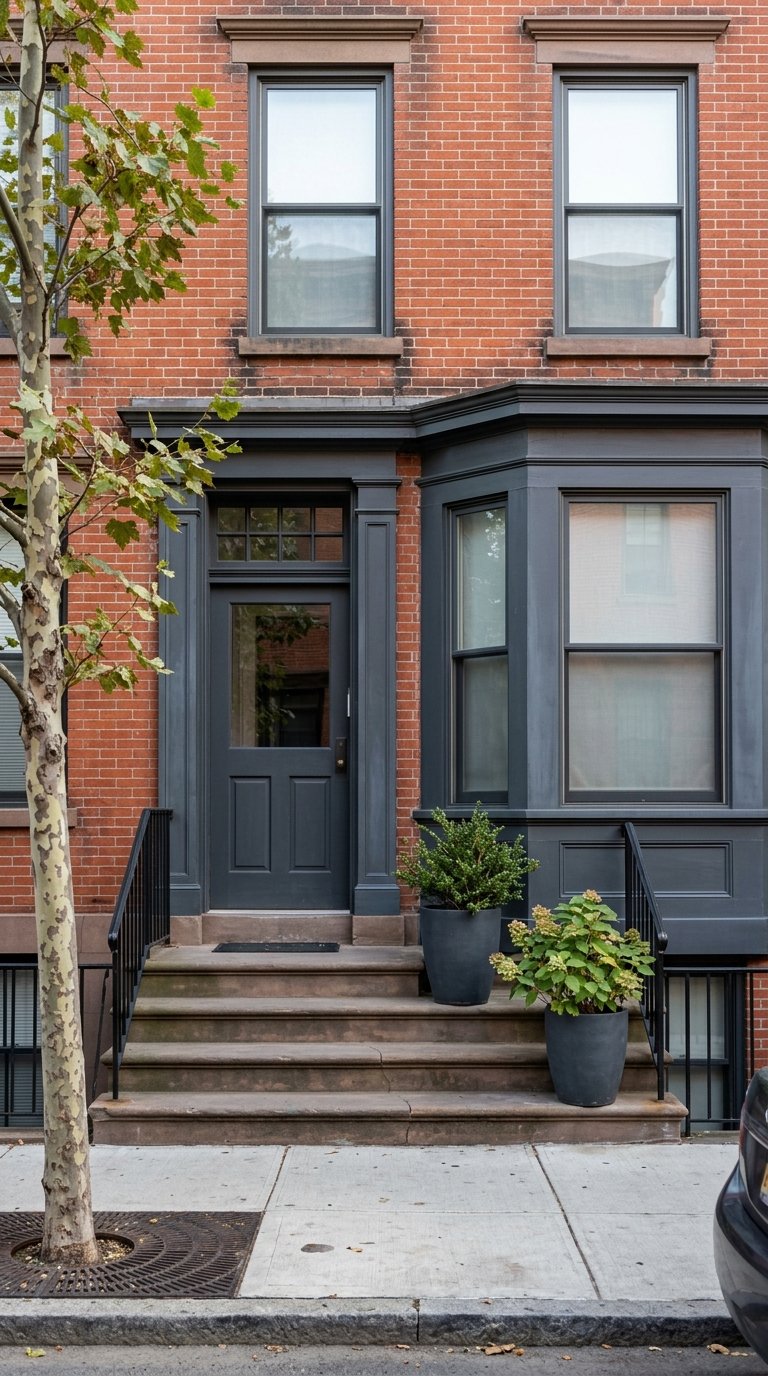
Rowhome owners handle all structural and systems maintenance, including roofs, brick and mortar, chimneys, windows, gutters, HVAC, plumbing, and any sewer lateral on the lot. Older Baltimore rowhomes often need masonry repointing, roof work, electrical or plumbing upgrades, and basement moisture management, so thorough inspections are key. For pre-1978 homes, understand Maryland and Baltimore lead-safety rules, especially if you might rent the home later. (Lead safety and local rules)
Historic districts and tax credits
Many beloved Baltimore neighborhoods include local historic districts. In these districts, the Commission for Historical & Architectural Preservation (CHAP) reviews exterior work and must issue a Notice to Proceed before a building permit. Expect review for windows and doors, cornices, porches, and visible exterior changes. Build extra time and design compliance into your plans. (CHAP rules and design guidelines)
If your home is a designated historic property, you may be eligible for Maryland Historic Rehabilitation Tax Credits for qualifying owner-occupied work. These credits can offset costs, but you must confirm eligibility and follow application steps early in planning. (Maryland Historic Rehabilitation Tax Credits)
Parking and daily logistics
Parking varies block to block. Many rowhomes rely on on-street or rear-alley parking. Baltimore’s Parking Authority manages Residential Permit Parking areas and related rules. Confirm whether your block has permit restrictions, how many permits a household can obtain, and guest options. If you rely on a car, test a typical weekday evening parking scenario. (Residential Permit Parking)
Some condos include deeded or assigned parking or offer garage spaces for a fee. On-site parking can improve day-to-day convenience and help resale. Compare the full cost and availability of parking when you review properties.
Space, layout, and lifestyle
- Condos: Lower exterior upkeep, lock-and-leave convenience, and building amenities like a gym or concierge are big draws. If the building has elevators, plan around any move-in rules and consider elevator downtime risk.
- Rowhomes: More interior space, basement storage, and often a small yard or rooftop area. Daily life is more stair-dependent, so think about accessibility needs for you and future buyers.
Resale and financing notes
Resale strength depends on location, condition, and how well the property type matches neighborhood demand. Renovated historic rowhomes in walkable areas can be popular, while condos can attract buyers who want low maintenance or views. No matter the property, focus on nearby comparable sales, time on market, and inventory in your target area.
Financing can differ by property type. Condos are often evaluated at the project level. Some loans limit financing in buildings with low reserves, high investor concentration, or litigation. If you’re buying a condo with FHA or VA financing, confirm project eligibility with your lender early. (HUD condo project eligibility guidance)
A quick decision guide
Use this checklist to choose with clarity:
- Run the numbers: Model mortgage, Baltimore City property tax, insurance, and either condo dues or a realistic annual maintenance reserve. As of FY2026, the city lists about $2.248 per $100 of assessed value — verify the latest rate before closing. (City finance documents)
- Request the right documents: For condos, get the resale package — budget, reserve study, insurance certificate, rules, meeting minutes, and a litigation letter. Confirm what utilities the dues cover. (Condo ownership FAQs)
- Confirm reserves and assessment risk: Ask about recent capital projects and any planned assessments. (Reserve study requirements)
- Inspect thoroughly for rowhomes: Focus on roof, flashing, chimneys, masonry, drainage, and major systems. Ask for invoices for recent work and any past insurance claims or water intrusion history.
- Check historic status early: If the property sits in a local historic district, CHAP must approve exterior work. If you plan a rehab on a qualifying historic property, explore state homeowner tax credits. (CHAP guidelines) (Maryland homeowner tax credits)
- Test daily logistics: Confirm parking type and any Residential Permit Parking rules. Walk your commute or test the drive at typical times. (Residential Permit Parking)
- Understand lead rules for older homes: For pre-1978 structures, review lead disclosures and consider testing. This is critical if you might rent the home later. (Lead safety and local rules)
- Verify loan fit: If using FHA or VA, confirm condo project eligibility with your lender at the outset. (HUD condo project guidance)
The bottom line
If you want predictability and fewer exterior responsibilities, a condo can be a great fit. If you value space, control, and the ability to shape your home over time, a rowhome may suit you better. Most buyers land on the right choice once they compare real monthly costs, desired lifestyle, repair risk, and the realities of parking and historic rules in their target neighborhoods.
When you’re ready to compare specific buildings and blocks, we’re here to help you weigh the tradeoffs and negotiate smartly. Reach out to Homestead Finders to talk through your goals, get a pricing game plan, and see on- and off-market options.
FAQs
What do condo fees usually cover in Baltimore?
- Many condo associations maintain the exterior, roof, and shared systems while you insure the interior with an HO-6 policy. Always confirm the exact coverage, master policy deductibles, and reserves in the resale package. (Condo ownership FAQs)
How do Baltimore City property taxes affect my payment?
- Add the City’s real property tax to your monthly budget. As of FY2026 documents, it’s about $2.248 per $100 of assessed value. Verify the latest rate before you close. (Baltimore City finance documents)
Can I replace windows on a CHAP-designated rowhome?
- Exterior changes in a local historic district typically require CHAP review and a Notice to Proceed. Plan for guidelines, approved materials, and extra time. (CHAP rules and design guidelines)
Are condo special assessments still possible in Maryland?
- Yes. Reserve study and funding laws help reduce surprises, but assessments can still occur for large capital projects. Review the reserve study, balances, and meeting minutes. (Reserve study requirements)
What insurance do I need for a condo vs a rowhome?
- Condo buyers typically carry an HO-6 policy for interiors and personal property while the building is covered by a master policy. Rowhome owners usually carry an HO-3 policy for the structure and contents. (Condo ownership FAQs)
Do FHA or VA loans treat condos differently than rowhomes?
- Often yes. Lenders evaluate condo projects for factors like reserves, investor ratios, and litigation. Confirm FHA or VA project eligibility with your lender early. (HUD condo project guidance)
What should I know about lead in older Baltimore homes?
- For pre-1978 homes, review lead disclosures and consider testing. If you plan to rent in the future, understand local registration and abatement requirements. (Lead safety and local rules)